
At a Glance
Most garage doors should be professionally serviced once a year, and twice a year near the coast, where salt air and humidity speed up wear. Regular lubrication, hardware checks and a balance test keep the door quiet, safe and far less likely to break down.
- Service yearly, or twice a year within a few miles of the coast.
- Lubricate hinges, rollers, springs and bearings, never the tracks.
- Test the door’s balance and the opener’s auto-reverse safety.
- Catching a worn part early is far cheaper than an emergency repair.
Who this guide is for: SWFL homeowners who want their garage door to last, run quietly, and avoid surprise breakdowns, plus anyone wondering what a tune-up actually covers.
Why maintenance matters more on the coast
Garage doors are high-cycle machines: springs, rollers and openers all wear with use. In Southwest Florida, salt air and humidity corrode metal faster and heat dries out seals, so small issues turn into breakdowns sooner here than inland.
A short annual tune-up keeps everything balanced and lubricated and lets a technician spot a fraying cable or tired spring before it strands your car in the driveway.
The yearly maintenance checklist
- Lubricate hinges, rollers, springs and bearing plates with a garage-door lubricant.
- Tighten loose bolts, brackets and roller hardware.
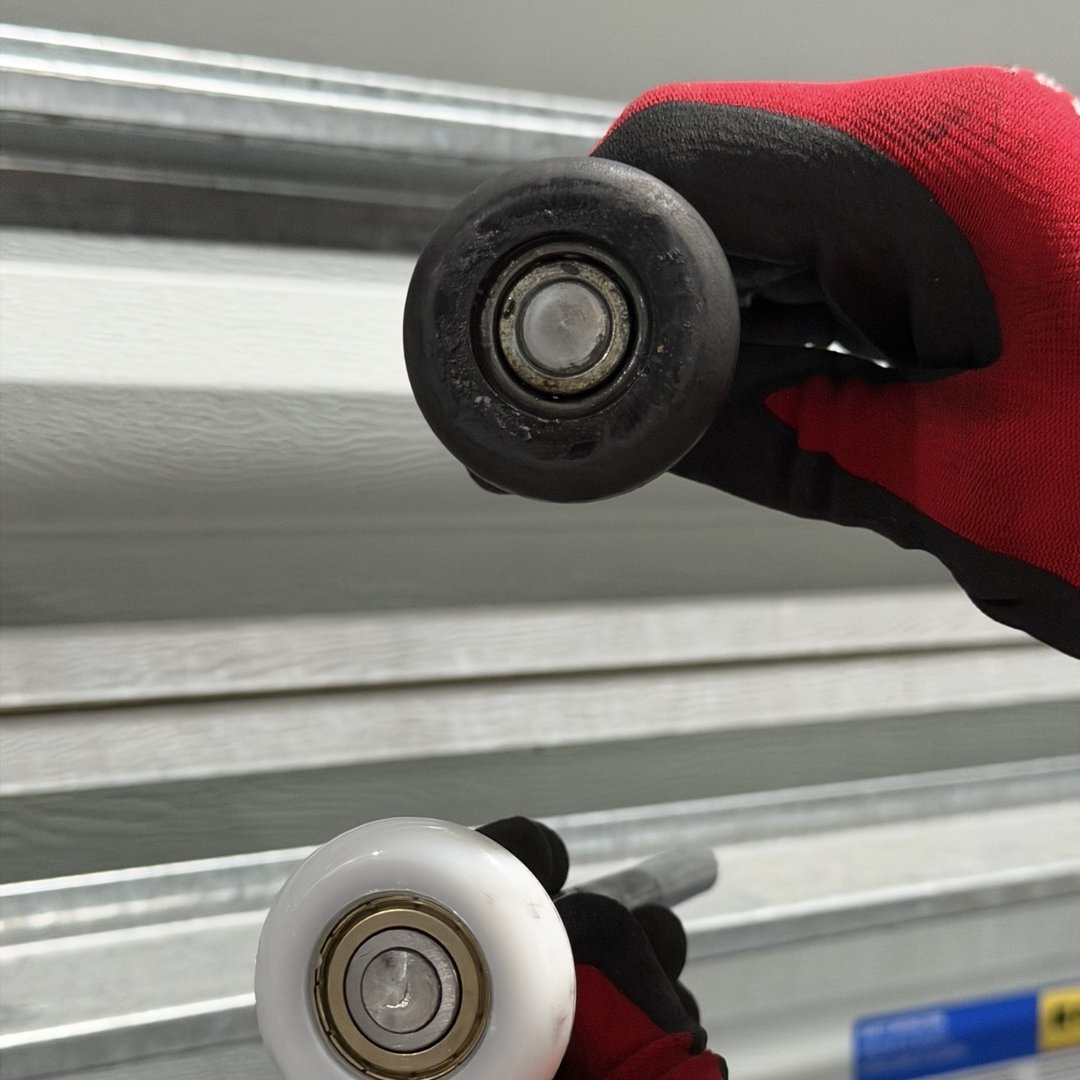
- Inspect cables, springs and rollers for wear, rust or fraying.
- Test the balance (see below) and the safety sensors.
- Clean the tracks and check weather seals.
What to lubricate, and what to leave alone
Use a proper garage-door lubricant (silicone or lithium spray), not WD-40, which is a cleaner, not a lubricant. Lubricate the hinges, rollers, springs and bearings. Do not grease the tracks, keep them clean and dry, because grease there just collects grit and causes the rollers to drag.
Test the balance and the safety reverse
Balance: with the opener released, lift the door halfway by hand. A balanced door stays put; if it slams down or flies up, the springs need adjustment by a pro. Auto-reverse: place a roll of paper towels under the closing door, it should reverse on contact. If it does not, stop using the door and call a technician.
DIY care vs. a professional tune-up
| You can do | Leave to a pro |
|---|---|
| Light lubrication | Spring tension & adjustment |
| Tightening visible bolts | Cable replacement |
| Cleaning tracks & seals | Roller & bearing replacement |
| Sensor wipe-down | Full balance & safety calibration |
Common mistakes to avoid
- Use a real garage-door lubricant
- Service twice a year near the coast
- Test the auto-reverse safety regularly
- Address small noises early
- Don’t spray WD-40 as a lubricant
- Don’t grease the tracks
- Don’t adjust springs or cables yourself
- Don’t ignore grinding or a door that feels heavy
How we can help
Want it handled by a pro? Here is how we keep SWFL doors running smoothly.
Frequently asked questions
How often should I service my garage door?
What should I use to lubricate my garage door?
Why is my garage door so loud?
How do I know if my door is balanced?
Can regular maintenance really prevent breakdowns?
Keep your door running like new.
Book a Southwest Florida tune-up and we will lubricate, tighten, balance and safety-check your whole system, before small issues become big ones.
📞 Call (239) 955-0708 Get a free estimate