When should garage door weatherstripping be replaced?
Weatherstripping is the set of rubber or vinyl seals along the bottom, sides, and top of a garage door. Replace it when it is cracked, flattened, brittle, torn, or letting daylight show around the closed door. Eddie's Garage Door's weather seal page notes that standard builder-grade weather stripping lasts about two to four years. Bottom seal replacement is a manageable task on some doors, but work near the bottom brackets and cables should be left to a professional.
The rubber seals around a garage door do quiet, unglamorous work. They keep out rain, dust, leaves, insects, and the occasional rodent. In Southwest Florida, where summer storms and heat are hard on rubber, fall is a good time to see whether those seals still do their job before the next heavy rain finds the gap.
Key Takeaways
- A garage door has three seal areas: bottom, side jambs, and top.
- Daylight visible around a closed door is a simple, reliable sign of a failing seal.
- Worn seals can let in water, debris, insects, and pests.
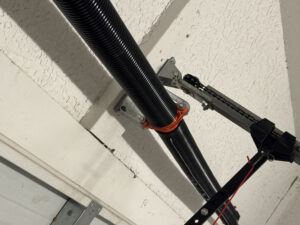
- Seal replacement should be done carefully, because the bottom corners of the door are connected to high-tension cables.
- Fall is a practical time to check, before heavier rain and the end of storm season.
The Three Seals That Protect Your Garage
Most garage doors have seals in three places. Each one plays a different part.
| Seal | Location | What It Does |
|---|---|---|
| Bottom seal | Along the bottom edge of the door | Closes the gap between the door and the floor |
| Side jamb seals | Along the door frame on each side | Closes the gap between the door and the frame |
| Top header seal | Across the top of the door opening | Closes the gap at the head of the door |
The bottom seal usually takes the most punishment. It meets the floor every time the door closes, picks up water and grit, and is the first place to crack or flatten.
How to Tell When Seals Need Replacing
Walk around the closed door and look at each edge. You can also stand in the garage during the day with the lights off. Light leaking around the perimeter means air, water, and pests have a path in.
Look for these signs.
- Cracks, tears, or missing sections of rubber
- A bottom seal that looks flattened or no longer touches the floor evenly
- Seals that feel hard, brittle, or crumbly instead of flexible
- Water stains or puddles near the base of the door after rain
- Signs of insects or rodents entering the garage
Seals do not last forever. Eddie’s Garage Door’s weather seal page says standard builder-grade weather stripping lasts about two to four years. Heat and UV exposure in Florida can shorten that, but the seal’s condition matters more than its age.
Why Autumn Is a Smart Time to Check
Summer sun and heavy rain wear on exposed rubber, and fall is when the damage shows. Hurricane season also runs until November 30, according to the National Hurricane Center, so wind-driven rain can still reach the door.
A good seal will not stop a major storm, and it is not a substitute for a wind-rated door. But it keeps everyday rain, debris, and pests out of the garage, and it helps protect items stored on the floor. If you are weighing larger storm protection, see our guide on garage door readiness for hurricane season.
What Happens If You Ignore a Worn Seal
A failing seal is easy to dismiss because the door still works. Over time, though, small gaps let in moisture and dirt that can affect the door bottom and the area around it. Pests can find their way in through gaps they could not before.
Gaps can also affect comfort in a garage that is attached to the home or used as a workspace. An open gap around the door means outside air moves freely through the garage. Replacing a worn seal early is often simpler than dealing with what the gap let in.
Can You Replace the Seal Yourself?
Some homeowners replace a bottom seal themselves. The seal slides into a retainer along the base of the door, and the job can be straightforward on certain doors. Even so, the bottom corners of a garage door connect to cables under high tension, and you should never loosen or touch those brackets.
| Situation | Homeowner Check | Professional Service |
|---|---|---|
| Inspecting seals for wear | Yes | Not needed |
| Wiping dirt from seals | Yes | Not needed |
| Replacing a bottom seal on a simple retainer | Possible, with care | Recommended if unsure |
| Replacing side and top seals | Depends on the door | Recommended |
| Anything near bottom brackets or cables | No | Required |
The Door and Access Systems Manufacturers Association warns that cables and springs are dangerous and should be handled by trained technicians. If a seal job gets anywhere near them, stop and call.
What Professional Weather Seal Replacement Looks Like
Eddie’s Garage Door’s weather seal replacement covers the bottom, side, and top seals. A technician inspects the full perimeter, removes the old seal and cleans the track area, installs new UV-resistant rubber or vinyl seals, and cycles the door to confirm a proper fit. Eddie’s also offers rodent-resistant bottom seals made with steel mesh for garages where pests are a problem.
If the inspection shows other wear, such as a damaged panel edge, the technician can recommend panel repair or replacement at the same time. Seal work often pairs well with a tune-up, which you can read about in our post on regular garage door maintenance.
Seal Gaps Are Easy to Fix Early
If you can see daylight, feel drafts, or spot cracked rubber, a quick inspection can tell you whether a seal replacement is all you need. Eddie’s Garage Door is family-owned, licensed, and insured, with free, upfront estimates and same-day service for many repairs. Request a free estimate or call (239) 955-0708.
Seal Out the Gaps Before the Next Rain
Healthy weather seals are a small part of a garage door that quietly protects everything inside. If yours are cracked, flat, or letting in light, Eddie’s Garage Door can replace them and quote the work upfront. Request a free estimate or call (239) 955-0708 anywhere in Southwest Florida.
Frequently Asked Questions
How often should garage door weatherstripping be replaced?
Eddie’s Garage Door notes that standard builder-grade weatherstripping lasts about two to four years. Replace it sooner if it is cracked, brittle, flattened, or showing daylight around the closed door. Condition matters more than a fixed schedule.
Can weatherstripping keep out pests?
Intact seals close the gaps pests use to enter. For garages with recurring rodent problems, Eddie’s Garage Door offers rodent-resistant bottom seals with steel mesh. A technician can help you choose the right option for your door.
Will new weatherstripping protect my garage in a hurricane?
No. Weatherstripping manages everyday rain, dust, and drafts, but it is not a wind-load or impact solution. For hurricane protection, ask about hurricane-rated garage doors and have your current door inspected.
Is it safe to replace a bottom garage door seal myself?
It can be on some doors, but you must avoid the bottom brackets and cables, which are under high tension. If the seal retainer is damaged or you are not sure what you are working near, call a technician.
Do you replace weather seals across Southwest Florida?
Yes. Eddie’s Garage Door serves Lee, Collier, Sarasota, Manatee, Hillsborough, Pinellas, Charlotte, and Pasco counties within a 60-mile radius of Fort Myers and Estero. Call (239) 955-0708 to schedule an inspection.